Property Planning · · 5 min read
Tips for Loan Preparation: What You Should Know 6 Months Before Your Property Purchase
Tips for Loan Preparation: What You Should Know 6 Months Before Your Property Purchase
Applying for a home loan might feel intimidating at first, but the process doesn’t have to be stressful. With enough time and preparation—ideally about six months before your planned property purchase—you can lay a strong foundation that gives you a smoother experience and boosts your chances of getting your loan approved on favorable terms.
Here’s a practical, step-by-step guide to help you prepare well in advance and approach the loan application with clarity and confidence.
1. Assess Your Financial Situation
Before diving into house listings, take a good look at your financial health. Buying a home is a long-term commitment, and it’s important to be honest with yourself about how much you can comfortably afford—not just now, but in the years ahead.
Start by reviewing your monthly income, fixed expenses (like existing loan payments or insurance), and lifestyle spending. The goal is to figure out how much of your income you can reasonably allocate toward a monthly mortgage payment, without stretching yourself too thin.
You’ll also need to be ready for the down payment, which varies depending on your loan provider:
| Loan | LTV | Down Payment |
|---|---|---|
| HDB Housing | Up to 75% LTV | 25% — Payable fully via CPF OA, cash, or a mix (no minimum cash required) |
| Bank | Up to 75% LTV | 25% down payment -20% from CPF OA or additional cash |
It’s also wise to set aside a rainy-day fund—ideally three to six months of living expenses—to cover emergencies like medical bills, job changes, or unexpected home repairs. Lenders view this kind of financial buffer as a sign of stability, and it helps ensure you won’t struggle with repayments down the line.
2. Check Your Loan Eligibility
Every lender has their own criteria when evaluating whether to approve your loan, so it helps to understand the basics ahead of time. Banks look at a range of factors—from your age and income to the type of property you're buying and any existing loans you already have.
Here are some of the key considerations they’ll evaluate:
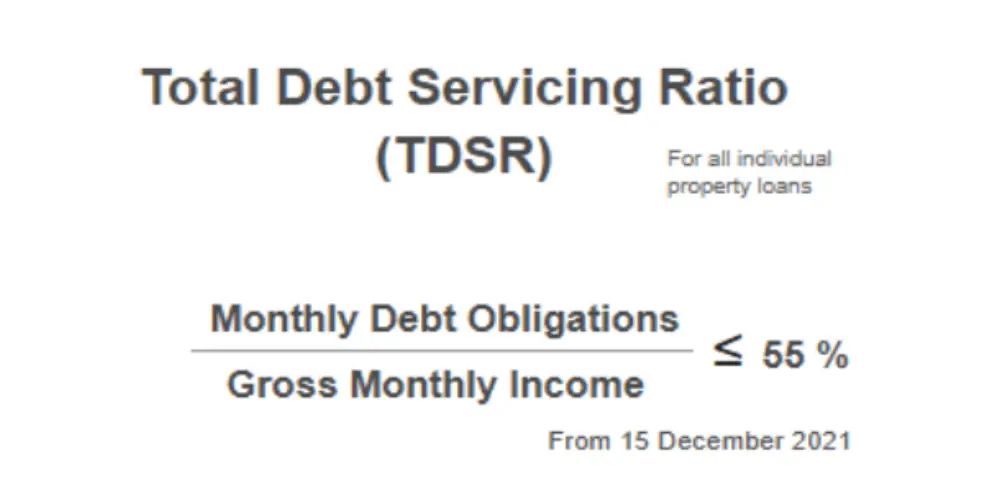
Total Debt Servicing Ratio (TDSR)
Your total monthly loan obligations (including car loans, student loans, credit card repayments, etc.) can’t exceed 55% of your gross monthly income. This limit is strictly enforced, so it’s essential to ensure you’re well below this threshold.
Mortgage Servicing Ratio (MSR)
If you’re buying an HDB flat or an executive condo (EC), your mortgage payments can’t exceed 30% of your gross monthly income. This rule is in place to promote sustainable homeownership.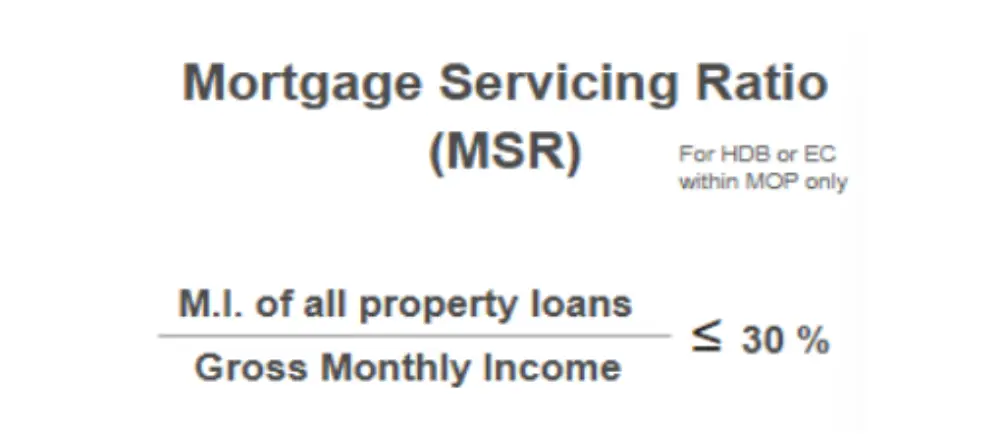
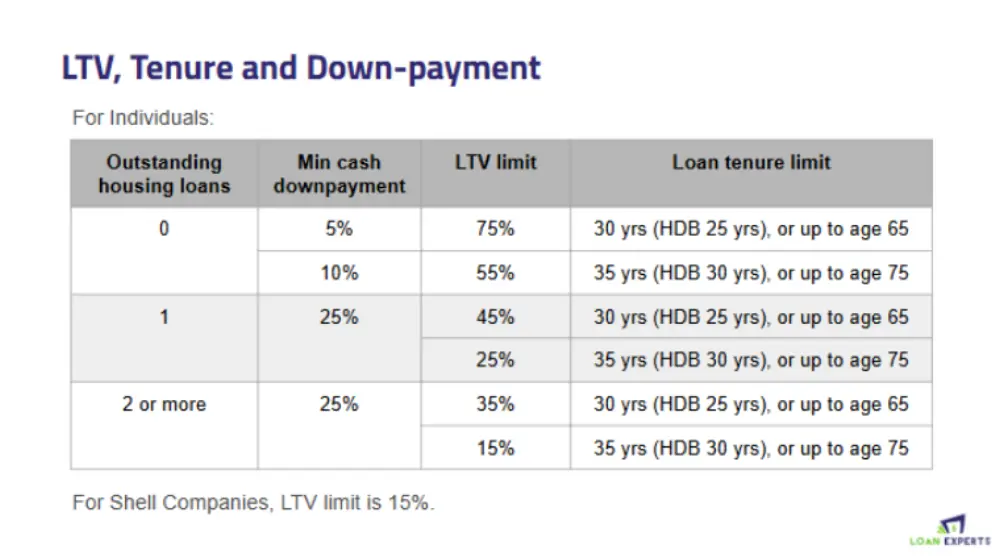
Loan-to-Value (LTV)
First-time homebuyers can borrow up to 75% of a property's value. However, if you already have an existing housing loan, this percentage will drop, so keep that in mind when planning a second purchase or upgrade.
Understanding these criteria in advance gives you time to adjust your financial commitments or improve your borrowing capacity if needed.
3. Understand How Age Affects Loan Tenure
Your age plays a bigger role in home loan applications than most people realise. That’s because banks and HDB both require the loan to be repaid within a set timeframe—and this period shrinks as you get older.
Here’s a breakdown of maximum loan tenures:
| Loan Type | Max Tenure | Age Limit Considerations |
| HDB Housing Loan | 25 years | Must be fully paid by age 65 |
| Bank Loan (HDB Property) | 30 years | May need higher down payment if age + tenure > 65 |
| Bank Loan (Private Property) | 35 years | Same LTV reduction rules may apply |
So if you're 40 and want a 30-year tenure, the bank might only allow 25 years instead, and that shorter tenure could mean higher monthly repayments. Planning ahead gives you time to decide whether to stretch the down payment, consider joint applications, or adjust your timeline.
4. Check and Strengthen Your Credit Score
One of the most overlooked parts of loan prep is your credit score—but it’s one of the first things lenders will check. A strong score can mean better loan terms, including lower interest rates or higher approved amounts.
Here’s how to stay on top of it:
Check your Credit Bureau Singapore (CBS) report. You can get a free copy when you apply for a credit card, or buy one online anytime.
Pay all bills and loans on time. Even small delays in payments can impact your score.
Clear high-interest debts if possible, such as credit card balances.
Be aware that updates may take time. Changes in your credit report can take 1–2 months to reflect, so it’s best to check your status early.
Improving your credit health six months ahead of a loan application gives you room to fix any issues and build a strong case for approval.
Example: Applying for an in-principle approval (IPA) from five banks at once puts five credit enquiries on your Credit Bureau report within a short time, which signals that you are taking on a lot of credit and can lower your rating. Start with one bank. If it flags a problem, you have time to fix it before applying to the next.
5. Research Your Loan Options and Get Advice
With so many different banks and mortgage products on the market, choosing the right one isn’t just about the lowest interest rate. Each loan package comes with its own features, fees, and conditions—so it’s important to match the right loan to your long-term goals.
Here are a few factors worth comparing:
Interest Rate Type: Fixed rates offer certainty, while floating rates can vary (often pegged to SORA).
Lock-In Period: Some loans penalise early repayment or refinancing. A shorter lock-in gives you more flexibility if your plans change.
Repayment Structure: Look for plans that allow partial repayments or redraw facilities if you want flexibility.
Additional Fees: Processing, legal, valuation, and early repayment fees can add up.
If you're not confident navigating all of this, engaging a mortgage broker can save time and stress. They work with multiple banks and can explain the differences clearly, helping you secure the best package based on your specific needs.
6. Stay Professional and Courteous
It might sound simple, but your attitude throughout the loan process matters more than you think. Loan officers are people too, and the way you communicate can influence how your application is handled—especially in more borderline cases.
Here’s what helps:
Be polite and responsive in your communication.
Prepare your documents neatly and accurately.
Ask thoughtful questions when needed, but avoid being pushy or impatient.
Keep records of all correspondence for easy reference.
Approaching the process with respect, professionalism, and patience not only makes things smoother—it also reflects well on your credibility as a borrower.
Let's Chat with Moshin on WhatsApp. It’s free, instant, and doesn’t come with any pressure to commit.
Written by Loan Experts. General information, not personal advice.